Shradha Vaidya
Artificial intelligence is becoming a routine part of daily life—but Americans are increasingly uneasy about what it means for their future, especially when it comes to jobs.
A new national survey by the Quinnipiac University reveals a striking contradiction: AI adoption is rising, yet public sentiment toward the technology is turning more negative.
As per the poll, roughly half of Americans (51%) use AI tools for research, while others rely on it for work tasks, writing, or data analysis. At the same time, the share of people who have never used AI has dropped to 27%, down from 33% last year—showing just how quickly these tools are becoming mainstream.
But widespread use doesn’t equal trust. The survey finds that 76% of Americans say they trust AI-generated content only some of the time or hardly ever. One researcher summed it up: people are embracing AI tools, “with deep hesitation, not deep trust.”
Even as AI tools become more common, excitement about the technology is fading. The survey shows that 62% of Americans aren’t particularly enthusiastic about AI, while 80% say they’re concerned about it. More than half (55%) believe AI will do more harm than good in daily life.
Notably, people are embracing AI, but they’re doing so cautiously. While they see its advantages, many remain mindful of its wider consequences.
Employment anxiety is front and center. Around 7 in 10 Americans believe AI will reduce the number of jobs available, reflecting widespread concern about automation and workforce disruption.
On a personal level, 30% of workers worry that AI could make their own jobs obsolete, a notable increase from previous years.
Interestingly, many respondents see AI as more of a threat to the overall job market than to their own roles—suggesting concern about systemic disruption rather than immediate personal risk.
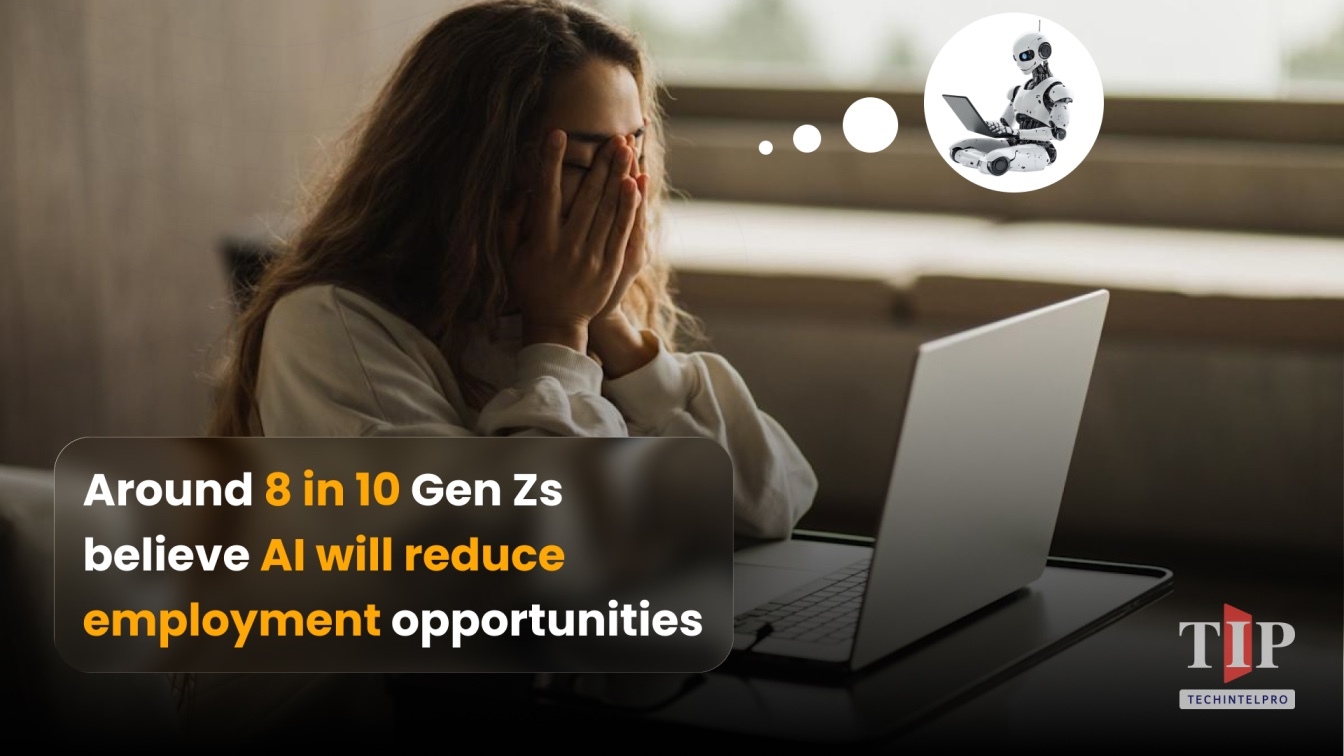
Despite growing up surrounded by technology, younger Americans are the least optimistic about AI’s impact on jobs. The survey shows that 79% of Gen Z believe AI will reduce employment opportunities, making them the most worried generation.
There's a clear shift in how the younger crowd views AI: they see it as a major disruptor for first-time job seekers. Gen Z is at the forefront of this, using AI constantly but keeping a watchful eye on its impact. According to experts, this 'trust but verify' energy comes from growing up with automation as a standard part of their education and early work life.
The Quinnipiac survey reveals a core paradox of the AI era: usage is soaring, but public trust and optimism are falling behind. Many see AI as a useful assistant—but few are ready to rely on it completely. For research, writing, or routine tasks, AI is increasingly present, but it hasn’t yet earned widespread confidence.
While AI integration accelerates across sectors, the mismatch between usage and trust could leave enduring impacts. Businesses are expected to keep incorporating AI into their operations, but public doubts—especially regarding employment—could affect the pace and ease of that transition.
For now, the takeaway is clear: AI is here, embedded in daily life, but public confidence in its impact is still catching up.