
Talent management solutions provider Talogy delivered a major session on the future of high-potential (HiPo) programs at the 2026 Society for Industrial and Organizational Psychology (SIOP) conference, focusing on evidence-based leadership development strategies and the growing role of AI in talent assessment.
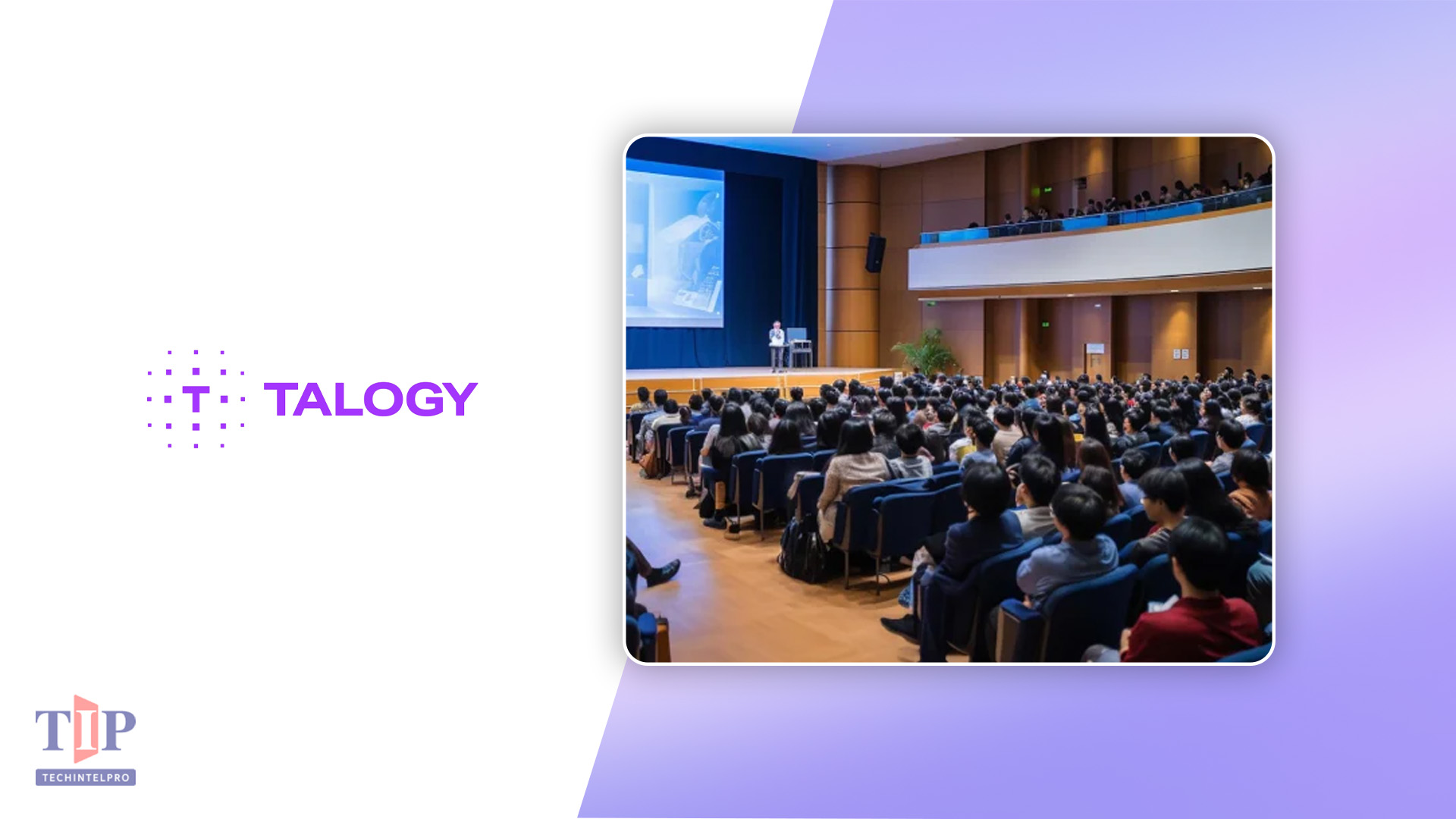
At this year’s SIOP conference, Talogy’s Chief Scientist Ted Kinney chaired a high-profile session titled “High Impact HiPo Programs in Large Enterprises: Evidence, Practice, and Future Trends.”
The discussion brought together senior talent leaders from major global organizations including Walmart, Nike, Johnson & Johnson, and Owens Corning, alongside Talogy’s Senior Director Alissa Parr. The panel examined how organizations can improve leadership development programs using objective, data-driven talent management practices.
The session was informed by Talogy’s recent global HiPo study, which identified a significant disconnect between organizations’ investment in HiPo programs and their continued reliance on subjective employee identification methods.
Panelists emphasized the importance of improving selection accuracy through validated, multi-method psychometric assessments. According to the discussion, evidence-based assessments can help organizations identify a broader and more diverse pipeline of future leaders.
The session also highlighted the need to distinguish leadership potential from current job performance. Panelists noted that strong performance in an existing role does not automatically indicate readiness for more complex leadership positions.
Recommendations included evaluating leadership agility, cognitive capacity, social skills, and self-management capabilities when designing HiPo programs.
The panel further discussed balancing employee growth opportunities with mentorship and structured support systems. Experts stated that while stretch assignments remain essential for development, organizations must also ensure employees receive adequate guidance and resources throughout leadership programs.
Another major focus was demonstrating return on investment (ROI) from leadership development initiatives. The panel encouraged organizations to establish structured evaluation frameworks that connect leadership development efforts to measurable business outcomes.
Speaking after the event, Ted Kinney and Alissa Parr addressed the industry’s continued dependence on intuition-based talent decisions.
"By continuing to rely on subjective manager recommendations rather than validated, multi-method psychometric data, organizations are essentially guessing who their future leaders and specialists will be.
"Our work with forward-thinking global brands proves that using a structured, scientific framework has become the only way to build a resilient, future-ready workforce, particularly during this period of AI transformation."
Talogy also highlighted growing industry interest in its latest research related to generative AI usage in hiring and assessment processes.
A research paper authored by Nataliya Baytalskaya, Ph.D, and Hilary Butera from Talogy, in partnership with researchers from Wilfrid Laurier University, received significant attention during the conference.
The study, titled “Candidate Generative AI Use in Pre-Hire Employment Assessments: Self-Reported Incidence and the Impact of Warnings,” found that introducing warning statements can significantly discourage inappropriate use of generative AI tools during hiring assessments.
Commenting after the event, Nataliya said: "The momentum our research is gaining highlights a need in the industry to explore simple, yet effective, scalable solutions to AI usage concerns.
"Our findings support the notion that we can successfully safeguard assessment integrity while maintaining a positive, trusting relationship with job candidates."
Talogy recently introduced an honesty agreement feature that organizations can integrate into Talogy assessments to support hiring integrity and responsible AI usage.
The SIOP conference gathered researchers, practitioners, and industry experts from around the world to discuss emerging trends shaping industrial-organizational psychology, workforce development, and talent management strategies.
About Talogy:
Talogy is proud to be one of the world's leading talent management solution providers. Crafting personalized solutions to help select, develop, and transform talent and organizations worldwide.
Partnering with organizations to truly understand their challenges inside out to help them make the best data-driven people decisions.