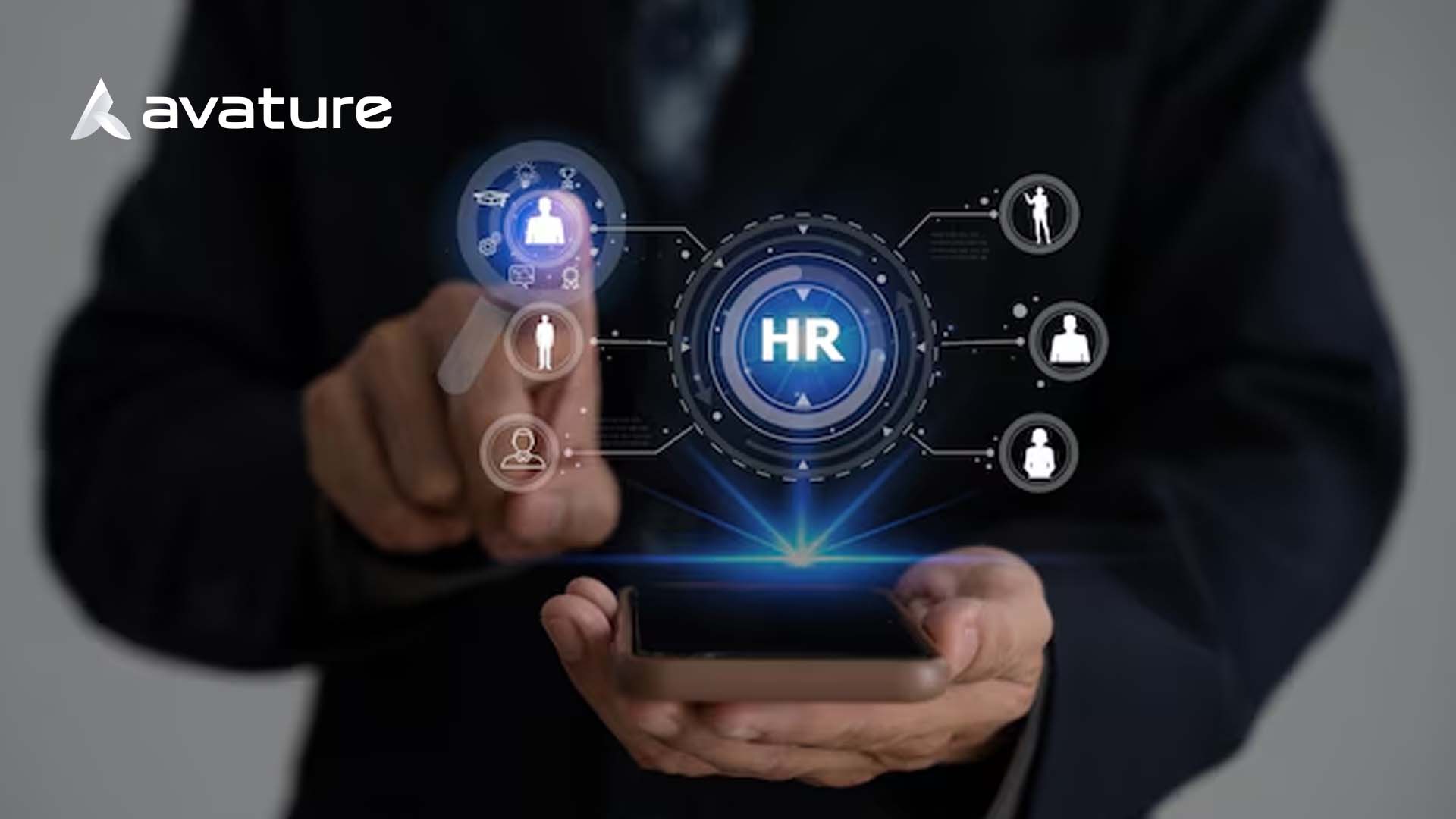

Avature has released its AI Impact Report 2026, a comprehensive benchmark surveying over 180 HR, talent acquisition, and talent technology professionals worldwide. The study reveals strong ongoing interest in artificial intelligence within HR functions, yet most organizations remain in early adoption stages, with limited integration into core workflows for hiring, skills development, and workforce planning.
Quick Intel
While enthusiasm for AI in HR remains high, the report underscores a clear gap between interest and meaningful application. Many teams continue to treat AI as a supplementary tool rather than a transformative layer within strategic processes.
Nearly all surveyed organizations anticipate rising AI budgets, reflecting recognition of its potential. However, maturity levels lag: half remain in exploratory or pilot phases, and only a small fraction—11%—have embedded AI into essential HR workflows.
Legacy systems pose a notable obstacle, cited by 28% of HR leaders as a top barrier to progress. Integration challenges compound the issue, preventing AI from fully supporting critical areas like talent mobility, skills anticipation, and long-term planning.
Skills shortages emerge as the dominant challenge. Only 9% of respondents describe robust, organization-wide AI expertise, while 70% report ongoing development or isolated pockets of capability. This talent gap outranks even technology limitations as the primary hurdle.
Forecasting future skill requirements also proves difficult. Just 11% feel very confident predicting needs 12 months ahead, with confidence dropping further over longer horizons of two to five years.
Entry-level positions appear most vulnerable to AI disruption. Among those expressing concern, 76% believe it will significantly reduce hiring volumes for early-career roles. That said, expectations for immediate impact vary: only 19% anticipate job losses in 2026, while 27% say it is too early to determine.
Within HR and talent teams specifically, 35% foresee slight headcount reductions, and 21% remain uncertain about the extent of change.
Trust dynamics highlight a key limitation. HR professionals show strong acceptance of AI for repetitive, low-judgment tasks—such as answering candidate FAQs (70%) or matching candidates to roles (64%)—and moderate comfort with scheduling interviews (62%). However, confidence collapses when AI involves nuanced judgment: 98% do not fully trust generative AI to make workforce decisions, with 26% expressing no trust at all and most offering only slight or moderate confidence.
"AI is influencing how organizations think about talent, but the real opportunity is in how it is applied," said Dimitri Boylan, founder and CEO of Avature. "The next phase depends on HR's ability to use AI to understand skills, anticipate change and make better workforce decisions. If AI only makes individual employees more efficient, companies risk ending up on the wrong side of disruption. The real advantage comes from using AI to drive smarter, organization-wide decisions."
"HR is at an inflection point," added Boylan. "If organizations want to see real ROI, AI has to move beyond supporting individual tasks and become context-aware, embedded into workflows and fully integrated into how the organization operates."
The report calls for HR teams to advance beyond experimentation toward strategic, integrated AI applications that enhance skills development, internal mobility, and proactive workforce planning. Achieving this requires addressing skills gaps, overcoming legacy constraints, and building trust through transparent, human-overseen implementations.
Methodology
This report is based on a survey conducted between September and November 2025 with more than 180 HR, talent acquisition, and talent technology professionals across industries worldwide. The respondent base reflects large, complex enterprises, with 61% working at organizations with more than 30,000 employees. The most common primary responsibilities among participants include HR technology and systems (61%) and talent acquisition and recruitment (57%).
About Avature
Avature is an AI-powered platform for strategic recruiting and talent management. Founded by Dimitri Boylan, Avature brings modern internet technology to human resources organizations worldwide. Its solutions support candidate relationship management, applicant tracking, career sites, onboarding, internal mobility, learning and performance management. Avature works with 110 Fortune 500 companies across more than 164 countries and 32 languages.