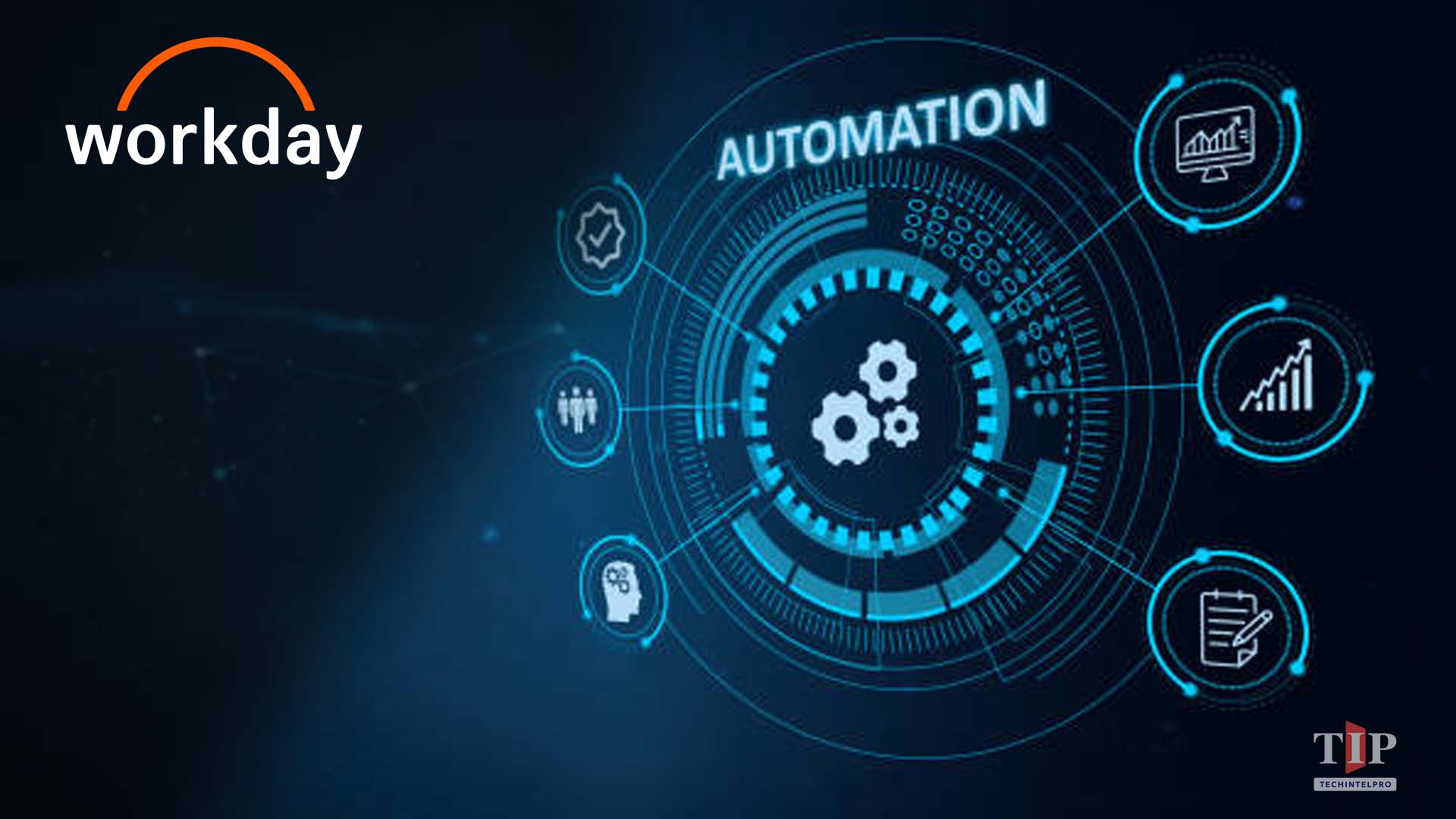

Workday, Inc. has announced the global availability of Sana from Workday, described as "superintelligence for work." Unlike traditional bolt-on AI tools, Sana is embedded directly into Workday’s core HR and finance systems, allowing it to execute tasks using the company’s existing security models, permissions, and business rules. The launch includes three primary components: Sana for Workday (a new conversational interface), Sana Self-Service Agent (automated HR/finance workflows), and Sana Enterprise (cross-platform orchestration). By grounding AI in trusted, deterministic data, Workday aims to move beyond simple chat suggestions to autonomous agents that perform multi-step actions across the entire enterprise tech stack.
Global Launch: Sana is now available to Workday customers worldwide, powered by Workday Flex Credits rather than separate licensing.
Four Core Capabilities:
Find: Instant, cited answers from Workday data and company knowledge.
Act: Executes tasks (e.g., updating tax forms or contract values) across connected systems.
Build: Generates dashboards, summaries, and documents from raw data.
Automate: Creates no-code, multi-step workflows for background execution.
Sana Enterprise Connectors: Extends capabilities to third-party tools including Salesforce, ServiceNow, Slack, Microsoft Outlook, Google Drive, Jira, and more.
High Adoption: Early adopters like Berner reported 90% adoption within 40 days, allowing them to retire hundreds of standalone AI licenses.
Seamless Governance: Sana inherits Workday’s existing security and audit frameworks, ensuring enterprise-grade data protection for sensitive information.
One of the primary challenges in enterprise AI is "fragmentation," where AI assistants live in browser tabs outside of the core business workflows. Workday's hybrid architecture addresses this by connecting Sana to its unified data platform for people and money. This allows Sana to understand the full context of an organization—who a user is, what permissions they have, and which business policies apply—before taking action.
"AI only works in the enterprise when it's connected to trusted, deterministic systems, and that hybrid architecture is exactly what Workday is building," said Aneel Bhusri, co-founder, CEO, and chair of Workday. "Sana is what brings it all together. It's not just a new Workday experience – it's a powerful way for people to search, reason, and orchestrate work across the enterprise."
Sana for Workday replaces traditional menus and complex navigation with a conversational AI experience. For employees, the Sana Self-Service Agent handles everyday tasks like checking vacation balances or submitting expense reports, with over 300 pre-built skills. For managers and executives, it provides a "single experience" where they can ask for outcomes—such as generating a hiring dashboard or identifying project blockers—and have the AI coordinate the necessary steps across different applications like Jira or Slack.
"Most AI projects today live in pilots and browser tabs – they look impressive in demos, but they don't change how work actually gets done," said Gerrit Kazmaier, president, product & technology at Workday. "Sana from Workday will be the last software you have to learn – a single experience where AI is embedded directly in the flow of work."
Industry analysts view the integration of Sana into Workday as a transformative milestone for the HR and finance sectors. By shifting the focus from "suggestion-based" AI to "action-based" agentic workflows, Workday is enabling companies to rethink entire business processes. Early feedback from customers like Cheffelo and Telavox suggests that Sana is becoming the "AI backbone" of their operations, handling up to 80% of execution tasks and freeing human teams to focus on high-value strategic decisions.
About Workday
Workday is the enterprise AI platform for managing people, money, and agents. Workday unifies HR and Finance on one intelligent platform with AI at the core to empower people at every level with the clarity, confidence, and insights they need to adapt quickly and deliver outcomes that matter. Workday is used by more than 11,500 organizations around the world, including more than 65% of the Fortune 500.