Media buying has become an operations problem. Agencies now spend as much time managing platforms and workflows as they do driving performance.
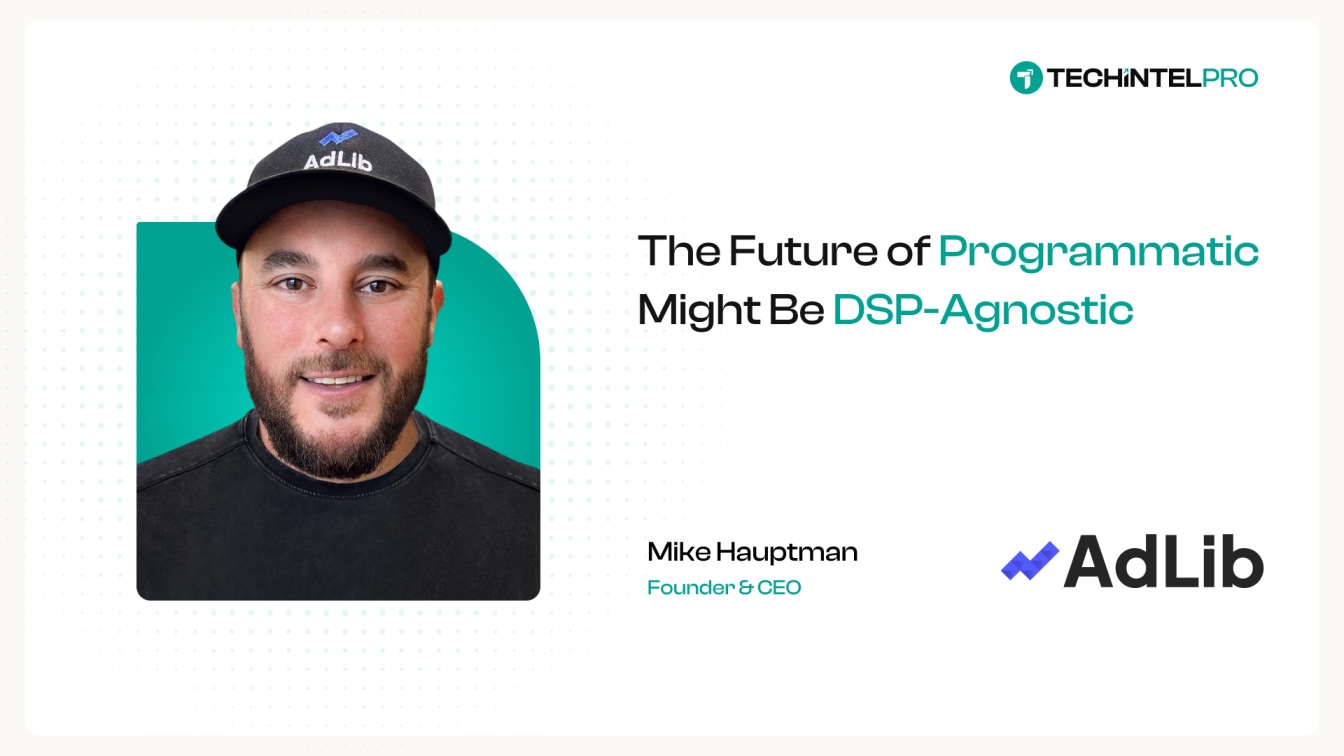
Mike Hauptman, CEO of AdLib, explores why today’s fragmented DSP ecosystem is slowing modern advertising down. He discusses how orchestration, automation, and DSP-agnostic infrastructure can simplify campaign execution, streamline ad operations, and make sophisticated programmatic buying more accessible.
DSPs were supposed to simplify media buying. Instead, they became channels of their own. Every platform has different strengths, contracts, data rules, inventory access, and workflows. Buyers spend their days managing fragmentation when they should be focused on strategy. I started AdLib because agencies and brands were burning time on operational complexity that had nothing to do with improving performance.
The ecosystem became fragmented because every DSP evolved independently. Some got stronger in CTV, others in retail media, audio, or data integrations. No single platform does everything well. The operational cost is enormous. Agencies juggle multiple logins, billing systems, reporting environments, and trafficking workflows to execute a single campaign strategy. That overhead slows everything down and makes holistic optimization almost impossible at scale.
AI inside DSPs improves optimization within that DSP. It doesn't solve the bigger problem, which is orchestration across fragmented systems. Most marketers operate across disconnected platforms that barely communicate with each other. The real challenge today goes beyond smarter bidding. It involves connecting planning, activation, reporting, measurement, and optimization across the entire ecosystem in a way that takes work off people's plates.
We built AdLib as DSP-agnostic because buyers shouldn't have to commit their entire strategy to one platform. Important inventory, audiences, and capabilities live across many ecosystems. A DSP-centric model made sense when the market was less fragmented. Today, buyers need orchestration across platforms. Adding another silo would have missed the point entirely.
Enterprise-grade programmatic has traditionally required large trading teams, expensive contracts, and deep operational expertise. That leaves a lot of independent agencies locked out. AdLib simplifies access across DSPs and automates the operational work that creates overhead. Smaller teams can run sophisticated campaigns without building massive infrastructure behind them.
Ad operations remains incredibly inefficient. Teams manually traffic campaigns, reconcile billing across vendors, export reports from different systems, and stitch performance data together in spreadsheets. Those workflows create delays, drive up labor costs, and pull smart people away from work that actually moves the business. The industry spends too much time managing systems and not enough improving outcomes.
Agencies increasingly expect flexibility. Some want self-service. Others want managed support. Some need APIs or white-label infrastructure to power their own offerings. The days of one-size-fits-all adtech are over. Agencies want platforms that adapt to how they operate. They expect transparency, faster execution, and tools that take work off their plate.
The future ecosystem becomes orchestration-driven. DSPs won't disappear, though they'll matter less as standalone destinations. AI and automation will handle more of the execution layer, while platforms above the DSPs coordinate strategy, optimization, measurement, and workflow across fragmented environments. Buyers get flexibility across the whole ecosystem instead of getting locked into one stack.
Mike is the Founder and CEO of AdLib Media Group, where the team is redefining how agencies and marketers scale programmatic advertising. Since entering the digital marketing space in 2006, Mike has been driven by a simple goal: to make sophisticated media buying more accessible, transparent, and profitable for everyone. Before founding AdLib, Mike spent eight years as one of the first 100 employees at MediaMath, helping build one of the most influential programmatic platforms in the industry. That experience shaped his belief that performance, simplicity, and transparency should always go hand in hand. AdLib was recognized on the 2025 Inc. 5000 List of America's Fastest-Growing Private Companies.
More about Mike: 
AdLib is a DSP media-buying platform that helps scale programmatic campaigns smarter, faster, and more profitably.
AdLib’s platform provides the tools, data, and automation to run enterprise-quality campaigns — from CTV and Audio to Geofencing and YouTube — all under one roof, with zero trafficking headaches.
Learn more at getadlib.com
Tell others what you think of TechIntelPro.


 Rate us on G2