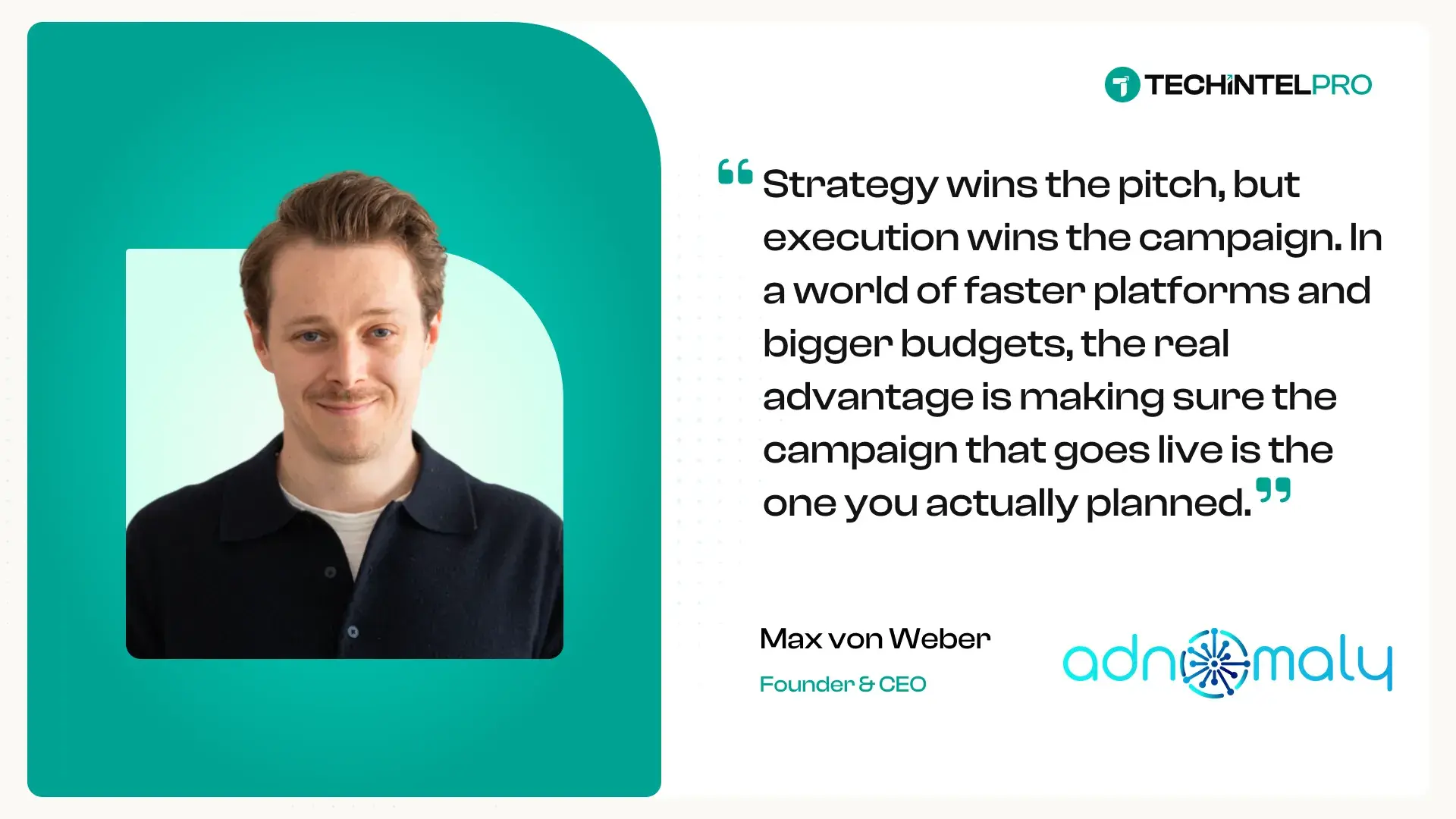
We spend a lot of time in this industry talking about strategy, whether that’s audience insight, creative, or the media plan that needs to win the pitch. But we talk far less about what happens after the deck is signed off, which is a shame, because that’s where campaigns actually succeed or quietly fall apart.
Having managed campaigns myself, I've come to believe that media buying has quietly become an operations problem while most of us kept treating it as a planning one. Campaign success now depends less on the strategy alone and more on whether that strategy survives contact with the platforms. And increasingly, it doesn't.
The stack keeps growing, not shrinking
For years we were told buying would get simpler - fewer platforms, fewer DSPs, a tidy consolidated stack. But the opposite happened. Paid social used to mean Meta and not much else. Then TikTok arrived, then Pinterest, Snapchat, and now Reddit sit alongside them, each with their own logic and their own user behaviour, which means a separate strategy and a separate funnel for each. And programmatic tells the same story. A team starts with Google Ads, then adds DV360, The Trade Desk, Amazon DSP, Adform, StackAdapt, and keeps going until it becomes unwieldy.
Everybody assumed that AI was going to “fix everything”, which was a dangerous assumption. In fact, if left unchecked, it can make things worse. Everything runs closer to real time, budgets move faster, and when something breaks, it breaks at a bigger scale and a higher cost. With media buying, the stakes have always been high. Now the errors are simply bigger, and they show up sooner.
Where the pitch and the campaign part ways
Here's the uncomfortable bit. The strategy or pitch team sells the client a genuinely good story, one with a precise audience, a smart sequence, and an outcome worth paying for. The intent is real. But the people who turn that story into live campaigns are working under very different conditions, at speed, across five or more platforms, usually with three or more other briefs open at the same time.
So what happens? Under pressure, a campaign manager duplicates a similar campaign that ran before and adapts it. The targeting still broadly matches the brief, the metrics still get reported, and nothing looks obviously wrong. But the plan that was sold and the campaign that actually goes live tend to drift apart in ways that rarely surface in the headline numbers. They surface in the precision, and precision is where performance is quietly won or lost. That’s where automation is so important. Over time, it frees teams from having to worry about all those underlying manual tasks and processes that have stacked up over the years, which ultimately decide the fate of a campaign.
Planning sells the work, operations delivers it
It helps to be clear about who does what, because the roles get blurred. AdOps teams build the deals a campaign draws on. Media buyers, whether they're called campaign managers, programmatic managers or paid social managers, are the ones setting up and running campaigns inside the DSPs. These groups depend on each other constantly, and most of that coordination still happens by hand.
A brief lands. Someone picks it up. A message goes out on Teams. One person is on holiday and will pick up their part when they're back. A deal moves from AdOps to a buyer, who checks it, tweaks it and pushes it live. Multiply that across dozens of campaigns and several platforms and you have an operation held together by manual effort and goodwill. It works, mostly. But "mostly" is exactly where execution risk lives, and that risk quietly eats into the business outcomes everyone signed up to deliver.
Nobody gets celebrated for a clean setup
This is the part that frustrates me most. None of this manual checking creates value in itself. Nobody gets a medal for confirming a campaign was built correctly. Troubleshooting a broken setup is invisible when it goes well and painful when it doesn't. It's necessary work, and it also pulls skilled people away from the things they're good at and actually enjoy: strategy, optimisation and working with clients.
That's the real opportunity. If the quality assurance and the risk checking are automated, so setups are validated and errors are caught before they cost anything, then all those hours spent double-checking the basics can go back where they belong. An automated system doesn't replace the campaign manager who knows the plan inside out. It watches the setup, spots something that looks off, pauses it and asks: did you mean to do that?
Why are we still doing this by hand?
It's 2026. The honest question is why teams are still handling this manually when there's a better way. Adding more people doesn't fix it. It just spreads the same fragile, manual process across more hands. The complexity isn't going to reverse. More platforms will come, budgets will keep moving faster, and AI will keep raising the stakes on every error.
The teams that pull ahead will treat execution as an operations discipline in its own right, not an afterthought to strategy. That means giving AdOps teams and platform specialists a shared, reliable view of what's meant to happen, and real confidence that it did. It means guard rails that run at the same pace as the campaigns. And it means freeing good people to spend their time where it drives growth, on the outcomes that made the pitch worth winning in the first place.
The strategy still counts for a great deal. But a brilliant plan executed loosely is just an expensive intention. We owe our clients better than hoping the campaign that's live is the one they approved.


 Rate us on G2