In most organizations today, AI is already shaping everyday decisions. And HR is no exception.
From hiring to performance reviews, companies are quietly leaning on algorithms to make processes faster and more consistent. On paper, it makes sense. AI can sift through large volumes of data, spot patterns quickly, and take some of the manual load off HR teams.
But once you move beyond efficiency, the questions start to change:
- How fair are these decisions?
- How transparent?
- And how much control should we really hand over?
So, What Is Algorithmic Management Really?
At a basic level, algorithmic management is about using algorithms to guide or make workforce decisions.
Sometimes it’s simple, like auto-generating shift schedules. Other times, it’s far more complex: systems that recommend promotions, flag employees at risk of leaving, or suggest who needs training.
The appeal is obvious. You get scale, speed, and a layer of consistency that’s hard to maintain manually.
But there’s a catch. These systems are only as good as the data and assumptions behind them. That’s where issues like algorithmic bias mitigation come into play. Without careful design and review, historical biases in data can get baked into decisions, producing unfair outcomes at scale.
AI That Works Better with a Human Touch
One approach gaining traction is AI Human-in-the-Loop (HITL)—keeping humans actively involved in AI-driven decisions.
Rather than leaving decisions entirely to AI, companies are adding checkpoints where HR professionals can evaluate and modify the system’s recommendations. This approach usually works better. While AI can spot patterns or potential risks, it often misses context—it can’t tell if someone’s performance slipped due to personal circumstances, or if a ‘low engagement score’ only tells part of the story.
That human layer adds judgment, nuance, and, frankly, a bit of common sense.
The Rise of Predictive People Analytics
Predictive people analytics is fueling this shift. By leveraging historical data—such as attendance records, performance trends, and engagement surveys—organizations can anticipate what might happen next. For instance, a system might flag an employee at risk of leaving, giving HR the chance to respond proactively through role adjustments, added flexibility, or conversations that might not have occurred otherwise.
When applied effectively, this approach moves HR from reactive to proactive. Still, predictions alone don’t determine outcomes—they require human judgment. Human-in-the-loop (HITL) checkpoints ensure decisions are fair, contextual, and thoughtfully informed.
Automated Performance Appraisals
AI is changing the way performance reviews are conducted. Traditional appraisals are often slow and inconsistent, but automated systems capture key metrics in real time, providing ongoing insights that simplify administrative tasks and create more consistent evaluations. Yet, there’s a caution: biased or incomplete data can worsen existing problems. Speed alone doesn’t guarantee fairness, making human oversight and bias mitigation essential.
The Compliance Piece
As AI adoption in HR grows, regulators are paying closer attention. Frameworks like the EU AI Act push organizations to be transparent about how these systems work—especially when they affect careers.
Key compliance measures include:
- Explaining how decisions are made
- Keeping humans involved in critical steps (AI HITL)
- Regularly reviewing systems for bias (algorithmic bias mitigation) and errors
This isn’t just about avoiding penalties—it’s about trust, internally and externally.
Efficiency vs. Ethics: The Real Balancing Act
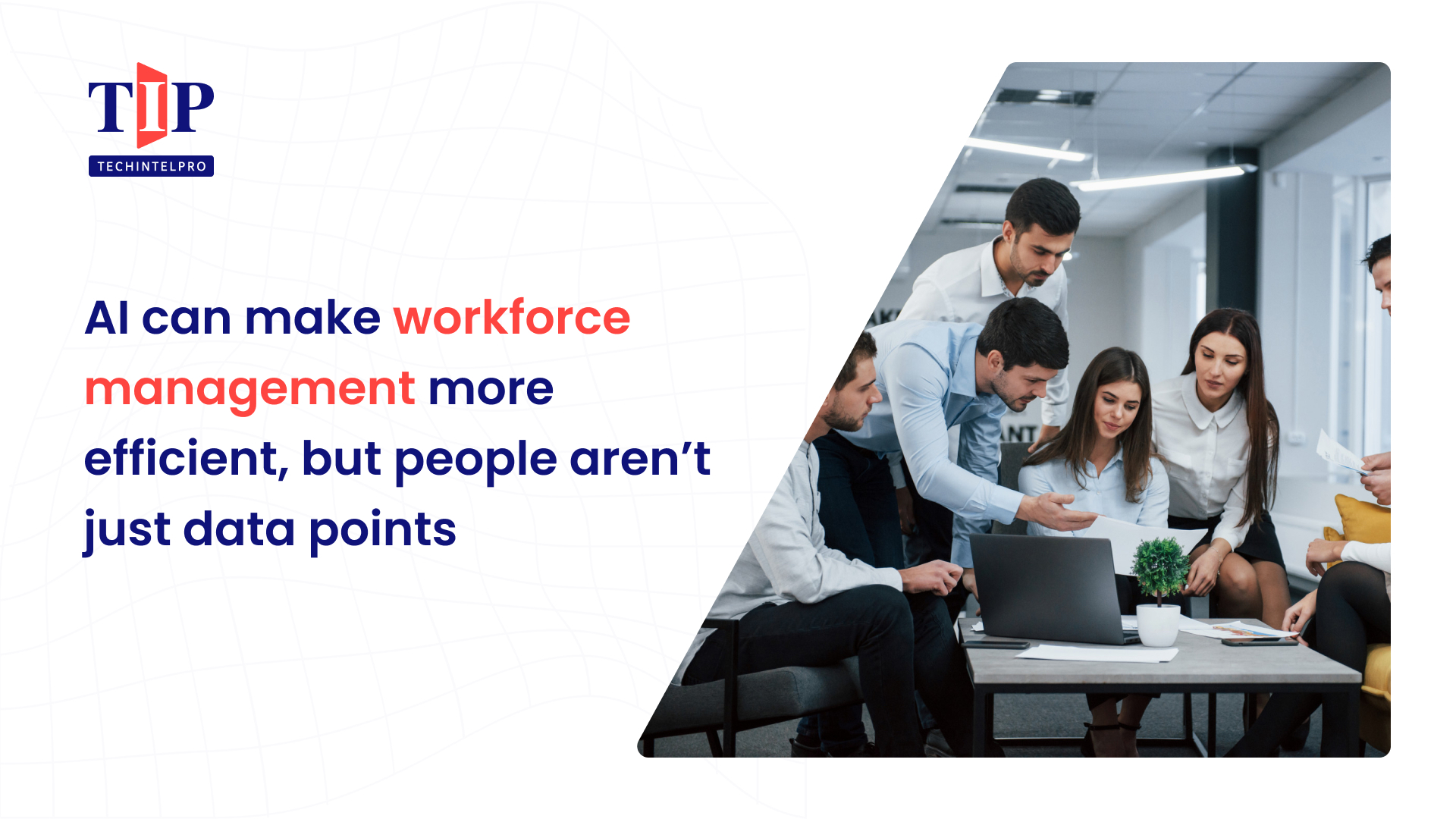
AI can make workforce management more efficient, but people aren’t just data points. Context, intent, and circumstances that don’t appear in dashboards matter.
Many organizations aim for a balance:
- Use AI for scale, insights, and automated performance appraisals
- Keep humans responsible for final judgment (AI HITL)
- Monitor for bias and unfair outcomes (Algorithmic Bias Mitigation)
The Risks You Can’t Ignore
As these systems embed deeper into HR, these risks pop up:
- Historical bias influencing decisions
- Outcomes that are hard to explain
- Over-reliance on third-party tools
- Skill gaps within HR teams
AI can amplify existing problems if these aren’t addressed.
Where This Is Headed
The companies that get real value won’t be those that automate the most; they’ll be the ones that use AI thoughtfully:
- Keeping humans involved in critical decisions (HITL)
- Questioning outputs instead of blindly trusting them
- Being transparent about how decisions are made
Because workforce management will always be about people first, optimization next.
Final Thought
Algorithmic workforce management promises faster decisions, better insights, and more proactive HR. But success depends on responsibility. The goal isn’t to replace human judgment, but to support it, while maintaining fairness, context, and trust through Algorithmic Bias Mitigation, Automated Performance Appraisals, and AI HITL systems.