Shashank Pitkar
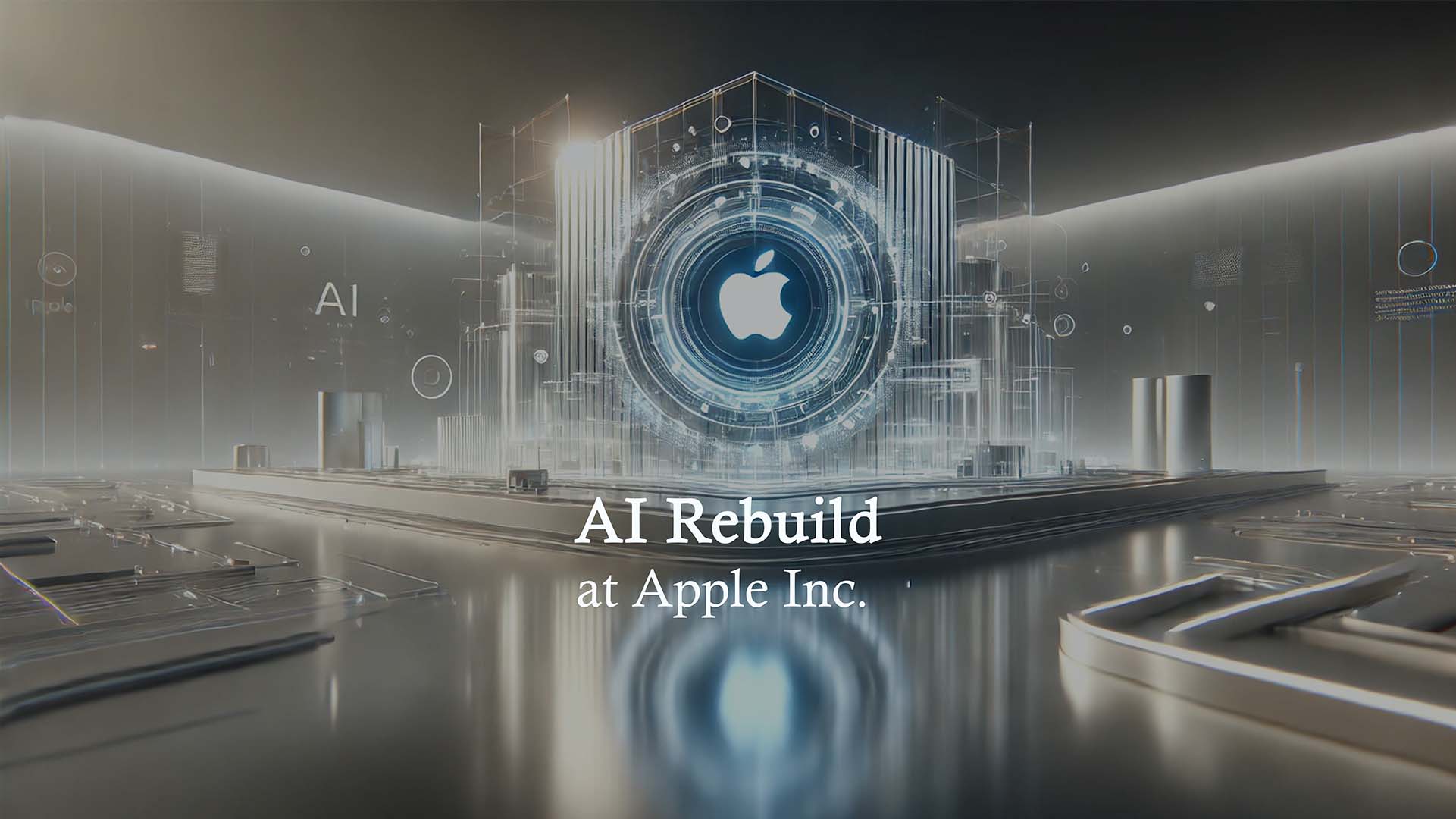
Apple recently appointed veteran AI engineer Amar Subramanya to lead its biggest AI recalibration in years. He replaces the outgoing AI chief, John Giannandrea. Apple is taking a significant step to rebuild its global AI efforts with this move.
Subramanya has extensive experience in designing AI systems and developing intelligent assistant products. Before joining Apple, he had worked extensively on the development of virtual assistants. He also has expertise in developing Machine Learning (ML) infrastructure to support large-scale applications.
At Apple, he works across three areas: foundation model research, ML pipeline development, and the design of AI safety and governance protocols. This position represents an increase in resources to improve older functionality. It also provides Apple with the opportunity to create a comprehensive AI platform that delivers user device and cloud-level intelligence.
With the unprecedented speed of AI development, Apple can’t afford incremental progress anymore.
The most immediate effect will be on Siri and device intelligence. After lagging behind rivals for years, Apple now has the mandate to rebuild its assistant from scratch. This move comes at a time when Apple can’t afford to rely on its slow-and-steady playbook. With Gemini and OpenAI releasing frequent, high-impact updates, Apple’s long-held lead in user experience is now at real risk.
Apple isn’t just updating Siri, it’s rewriting its AI playbook to regain ground in a fast-moving AI race. If this AI upgrade doesn’t deliver, Apple risks losing its edge across devices and user experience. Under Amar Subramanya, Apple is likely to ramp up on-device processing and privacy-preserving compute to ensure AI remains powerful without compromising on user data.
How quickly these improvements materialize will define Apple’s position in the AI race and future relevance in its ecosystem.
Apple's leadership change hints at a much bigger shift: the company appears prepared to rebuild, not patch, its AI approach. A few years hence, expect Apple to lean harder into its foundation models, with intelligence that feels more consistent across the iPhone, Mac, Watch, and everything that comes after. A lot of this will still run on-device or through Apple's privacy-focused cloud, staying true to its data-protection playbook.