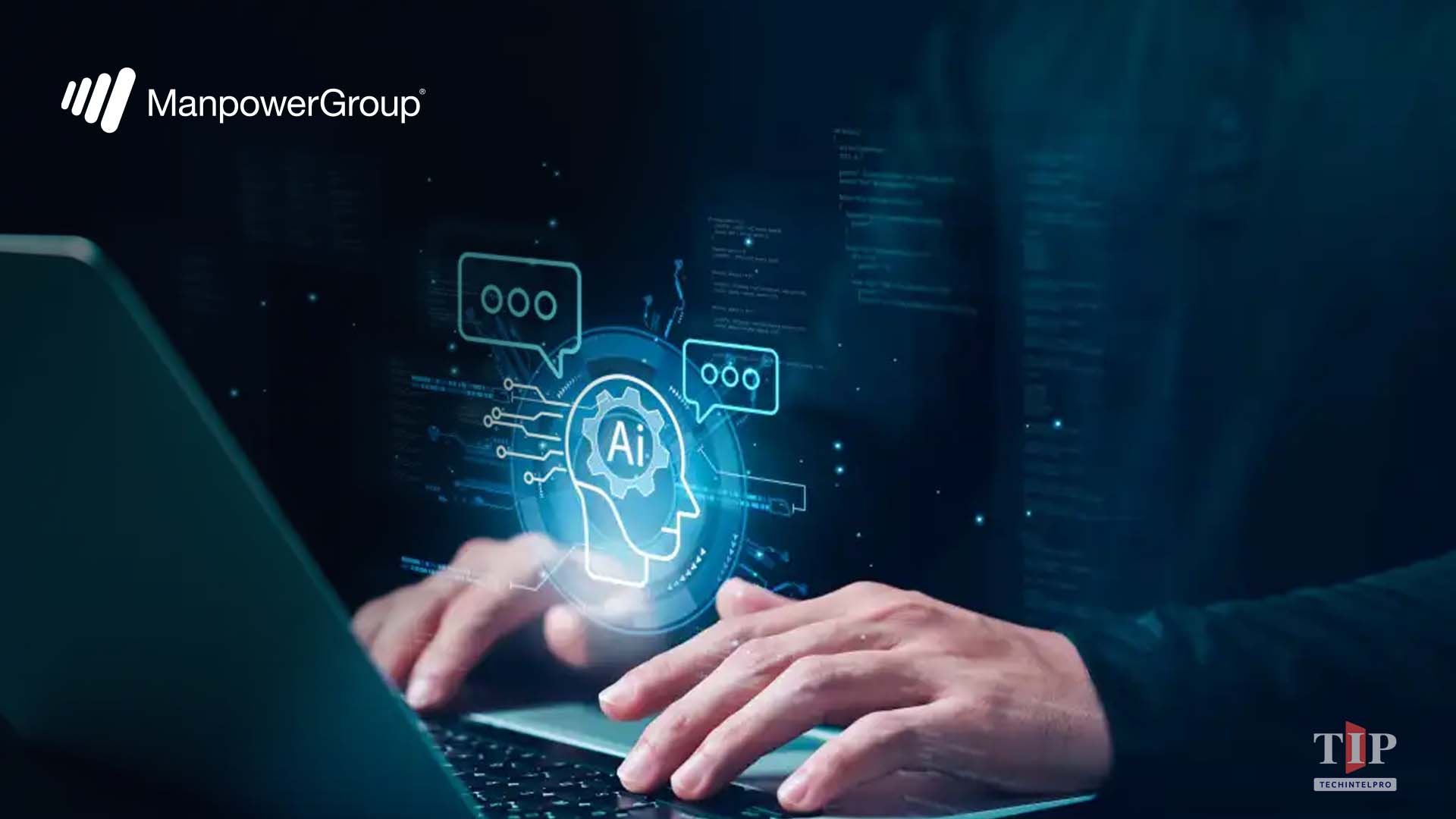

For the first time, Artificial Intelligence (AI) skills have become the hardest for employers to find worldwide, surpassing traditional engineering and IT capabilities. ManpowerGroup's 2026 Talent Shortage Survey, based on responses from over 39,000 employers across 41 countries, shows 72% of employers facing hiring difficulties—a slight improvement from 74% last year—yet the rapid rise of AI demand signals a profound shift in the global talent landscape.
Quick Intel
The 2026 ManpowerGroup Talent Shortage Survey highlights a historic milestone in the ongoing global talent crisis. AI-related capabilities have surged to the forefront of employer challenges, reflecting the accelerating integration of artificial intelligence across industries and the urgent need for specialized expertise.
"The rise of AI skills to the top of the shortage list reflects how quickly the talent landscape is evolving," said Jonas Prising, ManpowerGroup Chair & CEO. "Companies are responding with upskilling and more flexible workforce models, recognizing they will need to hire for potential; while building AI literacy across their workforce so people can apply new technology with judgment and confidence. AI is not replacing jobs, it is reshaping work, and companies that connect productivity gains with opportunity and career growth will be best positioned to compete in a talent-scarce world."
The survey identifies a clear new hierarchy in technical talent demand. AI Model & Application Development and AI Literacy now lead the rankings, pushing traditional engineering, sales, marketing, and manufacturing skills lower in priority. This shift underscores how organizations are reallocating strategic investments toward AI-driven innovation and adoption.
Despite the focus on technical proficiencies, human-centric attributes continue to hold significant value. Employers emphasize interpersonal and adaptive qualities that complement AI tools, ensuring teams can collaborate effectively and navigate change in technology-augmented environments.
Geographic variations reveal uneven talent pressures. European markets like Germany, France, and the U.K. experience the most intense shortages, while the U.S. remains slightly below the global average. In contrast, China stands out with notably lower constraints, illustrating how local economic and educational factors influence global competition for talent.
The shortage spans virtually every sector, from technology and professional services to hospitality, healthcare, manufacturing, and finance. This broad impact constrains organizational growth, service delivery, and economic progress worldwide.
To combat these challenges, employers are adopting multifaceted strategies. Internal development through upskilling and reskilling tops the list, supported by greater workforce flexibility in schedules and locations. Externally, competitive measures include raising wages and expanding recruitment to new talent sources.
Organizational scale amplifies the issue, with mid-to-large enterprises facing the steepest difficulties in securing talent.
The findings point to a future where success depends on proactive talent strategies that blend AI capability building with human skill enhancement and adaptable work models.
About ManpowerGroup
ManpowerGroup® (NYSE: MAN), the leading global workforce solutions company, helps organizations transform in a fast-changing world of work by sourcing, assessing, developing, and managing the talent that enables them to win. We develop innovative solutions for hundreds of thousands of organizations every year, providing them with skilled talent while finding meaningful, sustainable employment for millions of people across a wide range of industries and skills. Our expert family of brands – Manpower, Experis, and Talent Solutions – creates substantially more value for candidates and clients across more than 70 countries and territories and has done so for more than 75 years. We are recognized consistently for our diversity – as a best place to work for Women, Inclusion, Equality, and Disability, and in 2025 ManpowerGroup was named one of the World's Most Ethical Companies for the 16th time – all confirming our position as the brand of choice for in-demand talent.