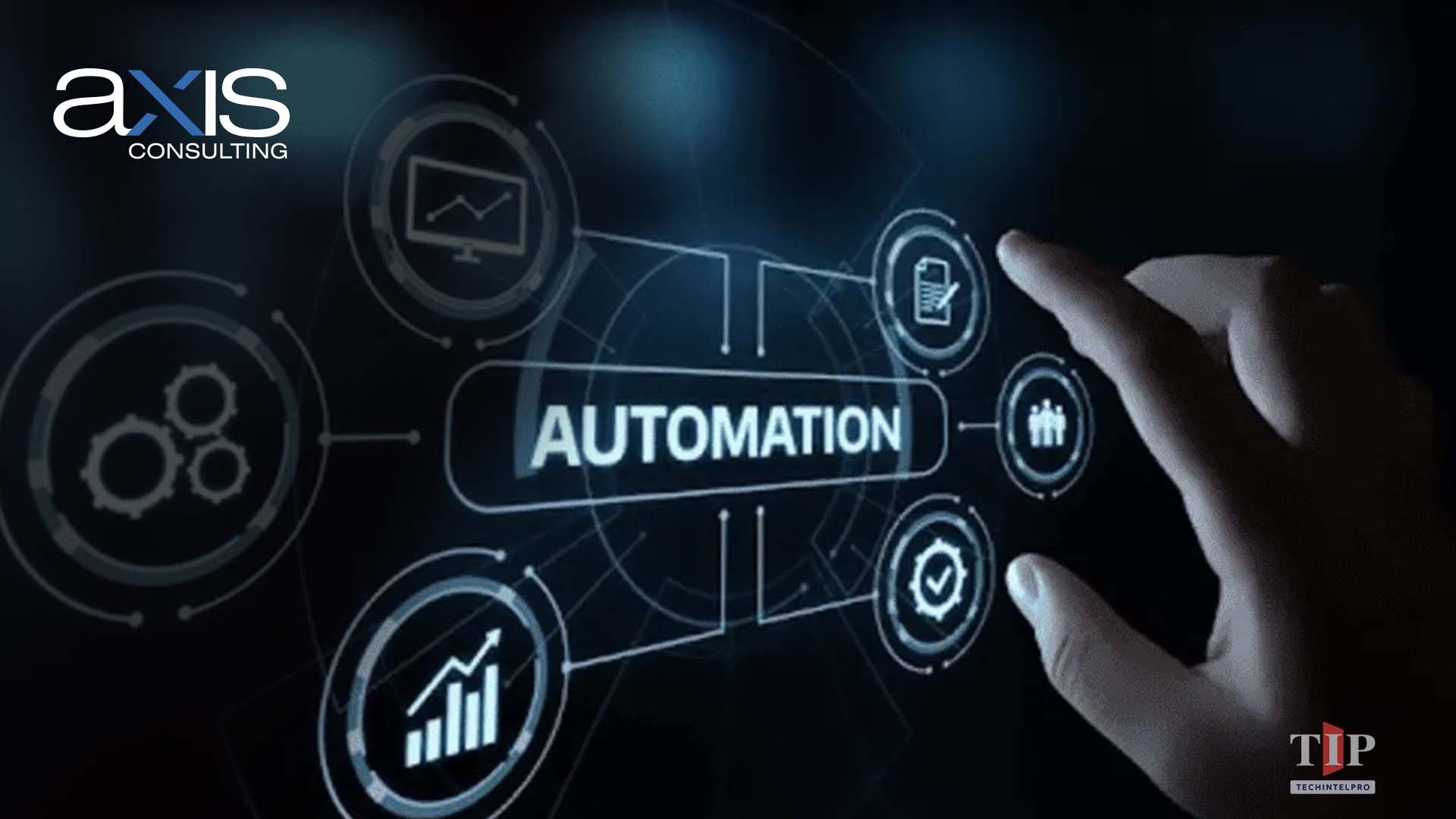
AXIS Consulting has introduced a practical five-component operating model to help mid-market and enterprise organizations scale artificial intelligence, automation, and CRM transformations beyond isolated pilots. The framework addresses a common challenge where AI experimentation accelerates but fails to deliver sustained operational impact due to fragmented implementation, poor governance, and inadequate adoption focus.
Quick Intel
Bridging the Gap Between AI Experimentation and Operational Scale Many organizations struggle to move AI, automation, and CRM modernization from proof-of-concept stages to enterprise-wide value. Initiatives often stall when viewed solely as technology deployments rather than holistic operating model shifts. AXIS Consulting's framework provides a structured, repeatable approach that aligns strategy with execution, ensuring changes deliver consistent, compounding benefits across quarters.
The Five-Component Operating Model The model is structured around five interconnected components that can be phased in to build momentum and manage risk effectively.
1. Use-Case Portfolio with Value Gates An intake process evaluates proposed initiatives—such as AI assistants, automated lead routing, or CRM enhancements—against criteria including business impact, technical feasibility, and risk. Each use case requires a named owner, baseline metrics, and a clear value hypothesis, helping organizations prioritize high-potential projects and avoid resource dilution from uncontrolled pilots.
2. Data, Security, and Governance Foundations Robust foundations are established to ensure data quality, access controls, auditability, and consistent definitions across interconnected systems. This is especially critical in modular environments where CRMs integrate with tools like PandaDoc, Aircall, and Zapier, feeding unified executive dashboards and preventing amplified errors from poor data.
3. Process-First Design and Reusable Automation Patterns The model prioritizes mapping complete end-to-end workflows before applying automation. Standard, reusable patterns for common processes—such as lead routing, approvals, follow-ups, and handoffs—reduce exceptions, minimize rework, and enable consistent scaling as new use cases emerge.
4. Embedded Change Management To sustain momentum, the framework integrates enablement, role-specific training, and clear ownership into every rollout. This approach prevents user resistance, shadow processes, and adoption gaps that frequently undermine CRM and automation programs amid frequent changes.
5. Measurement and Continuous Improvement A focused set of operational KPIs—including cycle time, conversion rates, response times, forecast accuracy, adoption levels, and data quality—is tracked continuously. Systems are monitored as living operational assets, with regular reviews to maintain security, auditability, and performance over time.
“This model is built for organizations that want AI and automation to compound, not reset every quarter,” said Boris Tsibelman, Founder & CEO of AXIS Consulting. “Scaling change requires discipline around prioritization, governance, and adoption not just new tools.”
Practical Application for Revenue and Customer Operations The operating model supports leaders in revenue operations, customer experience, IT, data, and transformation roles who manage complex, modular stacks. It enables effective CRM modernization, workflow redesign, generative AI governance, and automation scaling while minimizing disruption and maximizing measurable gains in efficiency and performance.
AXIS Consulting positions this model as a disciplined path to turn AI and automation investments into durable operating advantages. Organizations seeking to move beyond experimentation can apply the framework to achieve consistent, compounding improvements across their technology and process ecosystems.
AXIS Consulting is a business consulting firm focused on practical operating models that help organizations implement and scale AI, automation, and CRM transformation. The firm aligns strategy, workflows, governance, and adoption so technology investments translate into measurable business performance.