In today’s marketing landscape, it’s easy to assume brand credibility is being built almost entirely through creators. The TikTok review that sells out a product overnight. The unboxing video that takes off before a campaign has even officially launched. Creators have an incredible ability to shape culture, influence perception, and drive immediate consumer action.
But what often gets overlooked is that attention and trust are not the same thing.
Creators are exceptional at generating attention. Editorial media still plays a critical role in establishing credibility. And the brands that know how to build both at the same time are the ones that create lasting relevance, not just temporary buzz.
The Credibility Gap No Algorithm Can Close
There’s still something uniquely powerful about seeing a brand featured in a respected publication that no viral creator post can completely replace. Editorial coverage carries a different kind of weight because it comes with implied third-party validation. A journalist chose to cover the brand. An editor decided it was worth putting in front of their audience. And that lands differently with consumers.
Especially in categories where trust drives purchasing decisions, people want reassurance that what they’re buying has been evaluated by someone who isn’t being paid by the brand. Editorial media helps provide that layer of credibility. It signals that the story isn’t just being promoted, it’s been vetted.
Creators Drive Discovery. Media Drives Conviction.
The most effective brand strategies today don't treat media relations and influencer marketing as competing priorities. They treat them as complementary forces operating at different points in the consumer journey.
Creators are where people discover. A scroll through a For You page, a recommendation from a trusted voice, a before-and-after that stops the thumb. These are the entry points. They create curiosity and generate traffic. But curiosity has to convert somewhere, and that conversion is increasingly shaped by what consumers find when they go looking for validation.
That's where media comes in. A well-placed feature, a round-up inclusion, an expert-driven review. These become the credibility infrastructure that supports the creator-driven discovery. The consumer who found the brand through a creator and then found it again in a respected outlet is far more likely to trust it. The brand that only lives on social is one bad review cycle away from irrelevance.
The Strategy Is Integration, Not Prioritization
The mistake brands make is treating these as an either/or. Budget conversations that pit influencer spend against PR investment are asking the wrong question. The right question is how each channel reinforces the other.
A media placement amplifies what creators are already saying about a brand. An influencer campaign gives journalists a cultural proof point worth covering. When these efforts are coordinated, when the timing, messaging, and audience targeting are aligned, they create a feedback loop that compounds credibility over time rather than generating isolated moments of visibility.
This requires a communications strategy that thinks holistically, not in silos. The PR team and the influencer team need to be working from the same playbook, with a shared understanding of what the brand is trying to establish and who it is trying to reach.
Trust Is Earned in Layers
Brand credibility has never been built in a single channel. Even before the creator economy existed, the brands people trusted most were the ones they encountered repeatedly, in different contexts, through different voices. That dynamic hasn't changed. What's changed is the number of channels, the speed at which they move, and the sophistication of the audiences navigating them.
Consumers today are incredibly good at spotting inauthenticity. They recognize the paid partnership and know when a brand is buying attention instead of earning it. What resonates is consistency: a brand whose story holds up whether it’s discovered through a digital editorial feature, a creator testimonial, or a professional recommendation.
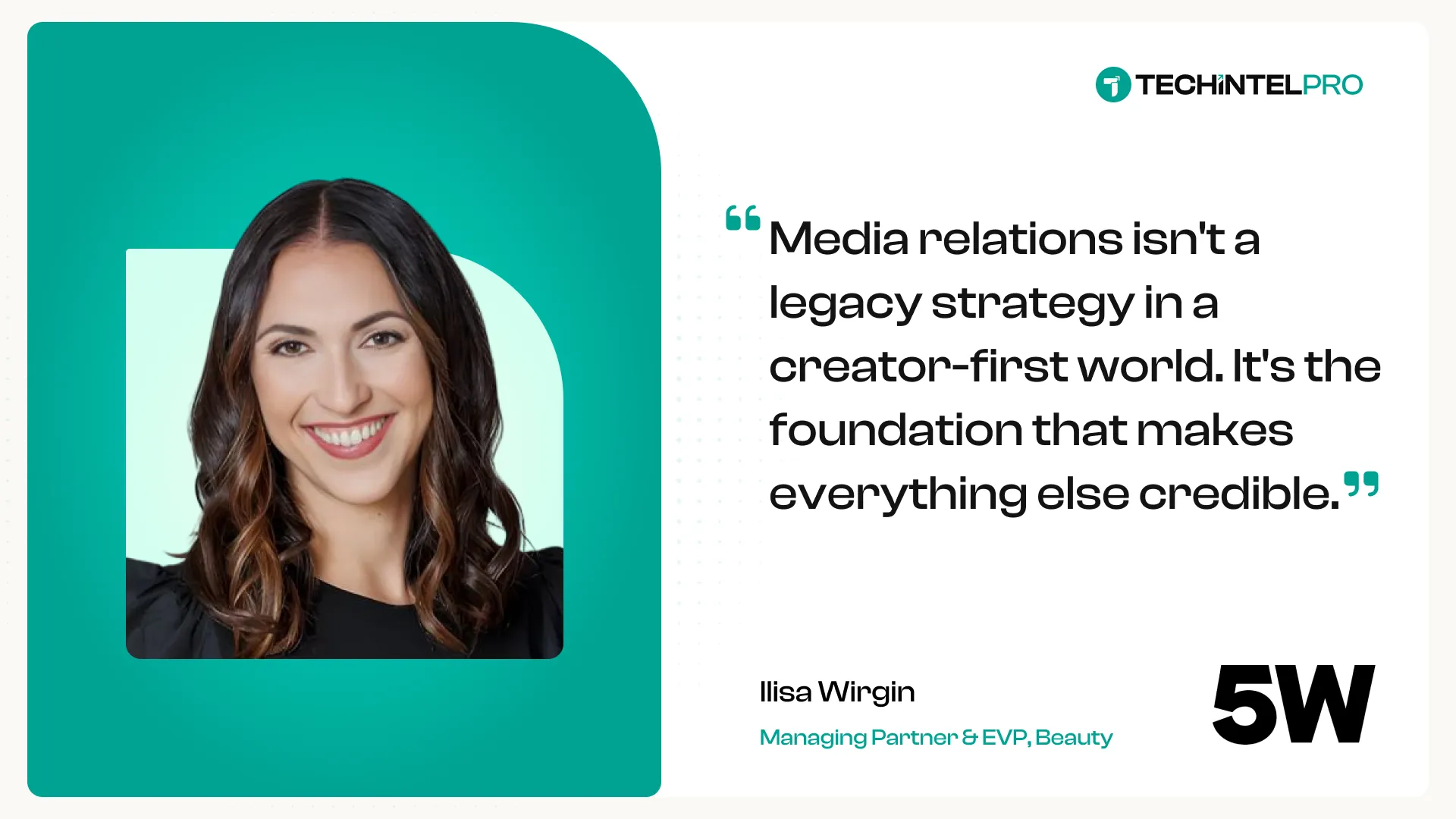
Media relations isn't a legacy strategy in a creator-first world. It's the foundation that makes everything else credible. The brands that treat it that way are the ones building something that lasts.


 Rate us on G2